About Camellia
Camellia is a modern school rooted in Chinese and Taiwanese tea culture. We teach tea as an accompaniment to cultivation that strengthens presence, discernment, and humility over time. Our work bridges tradition and contemporary life without imitation or spectacle. Integrity and ethics are a cornerstone of how we operate.
Meet Songya 崧雅
Tea Educator & Cultural Bridge

Tea Sommelier
Certified Taiwanese Tea Specialist
Culture & Tea Educator
Gongfu Tea Practitioner
Tea Meditation Guide
Career Educator
MSc & BSc - Stanford University
MBA - University of Cambridge
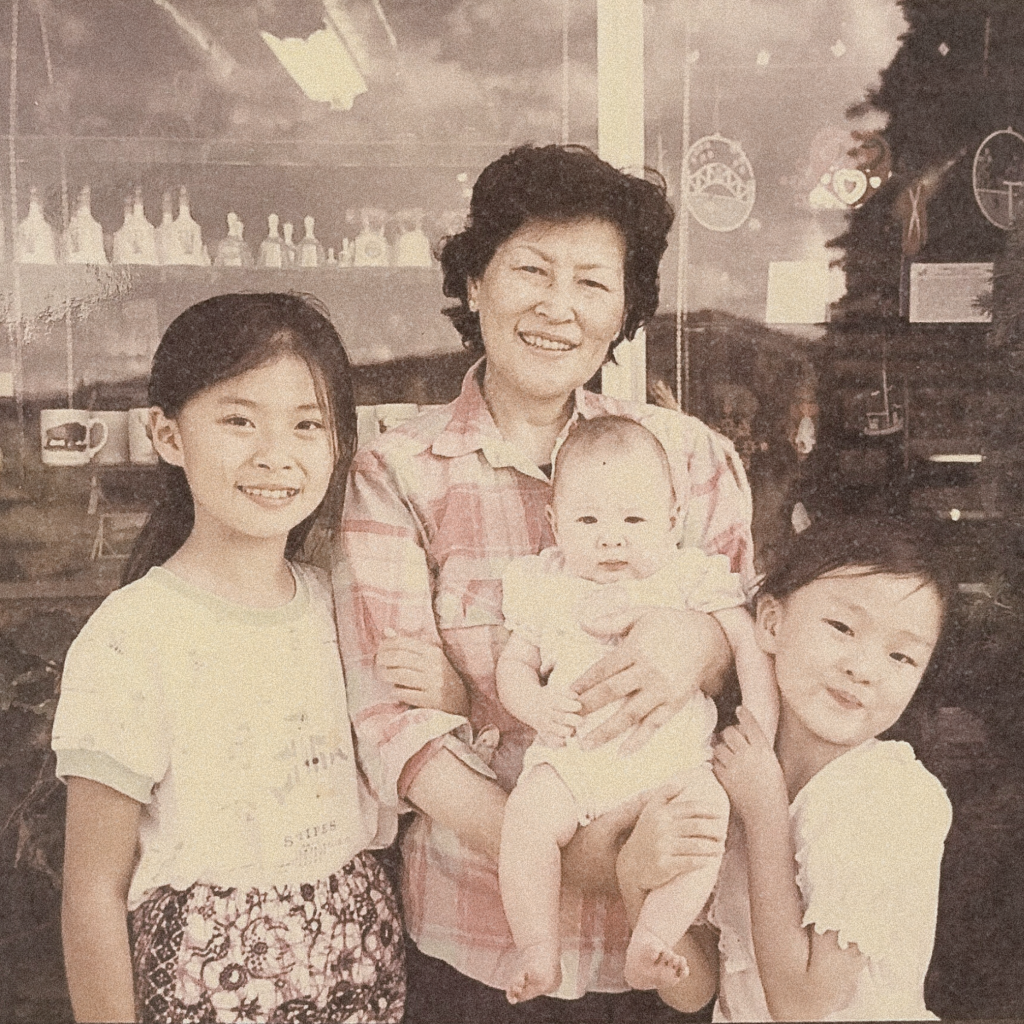
I am Taiwanese-American, raised between cultures. My first experience of tea was through my grandmother in Taiwan, who brewed simply and without spectacle. Tea was part of daily life: quiet, consistent, unpretentious.
Years later, I formally studied Taiwanese gongfu tea and ceremonial practice, and continued into tea science and sommelier training. I have studied with multiple teachers and maintain relationships with tea farmers, makers, and craftspeople.
I am not a tea master. I am a student on the path.
Alongside tea, I am a leadership consultant. I design curriculum for adult learners and have spent 14 years teaching, facilitating, and coaching. Camellia reflects that background: structured, intentional, and outcome-oriented.
I translate tea knowledge from Chinese to English and work to keep terminology as close to its original meaning as possible.
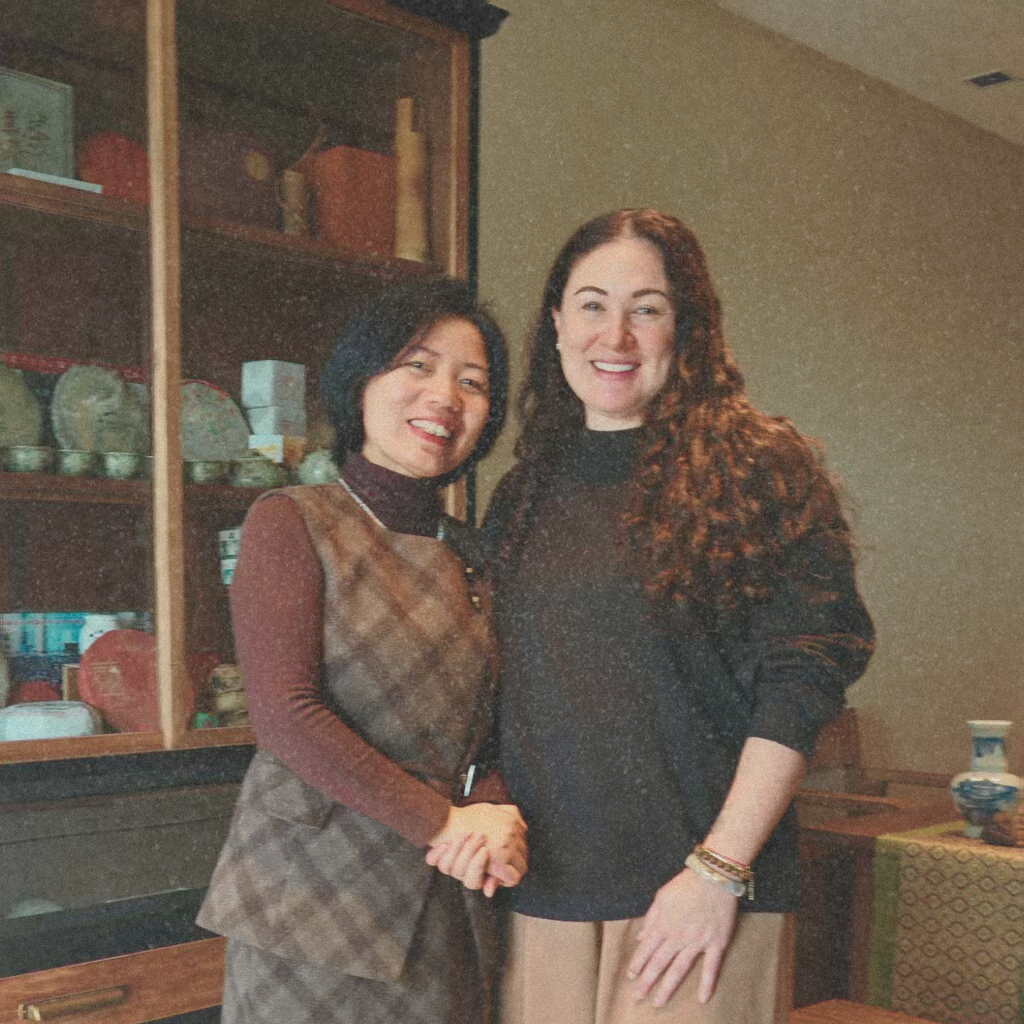
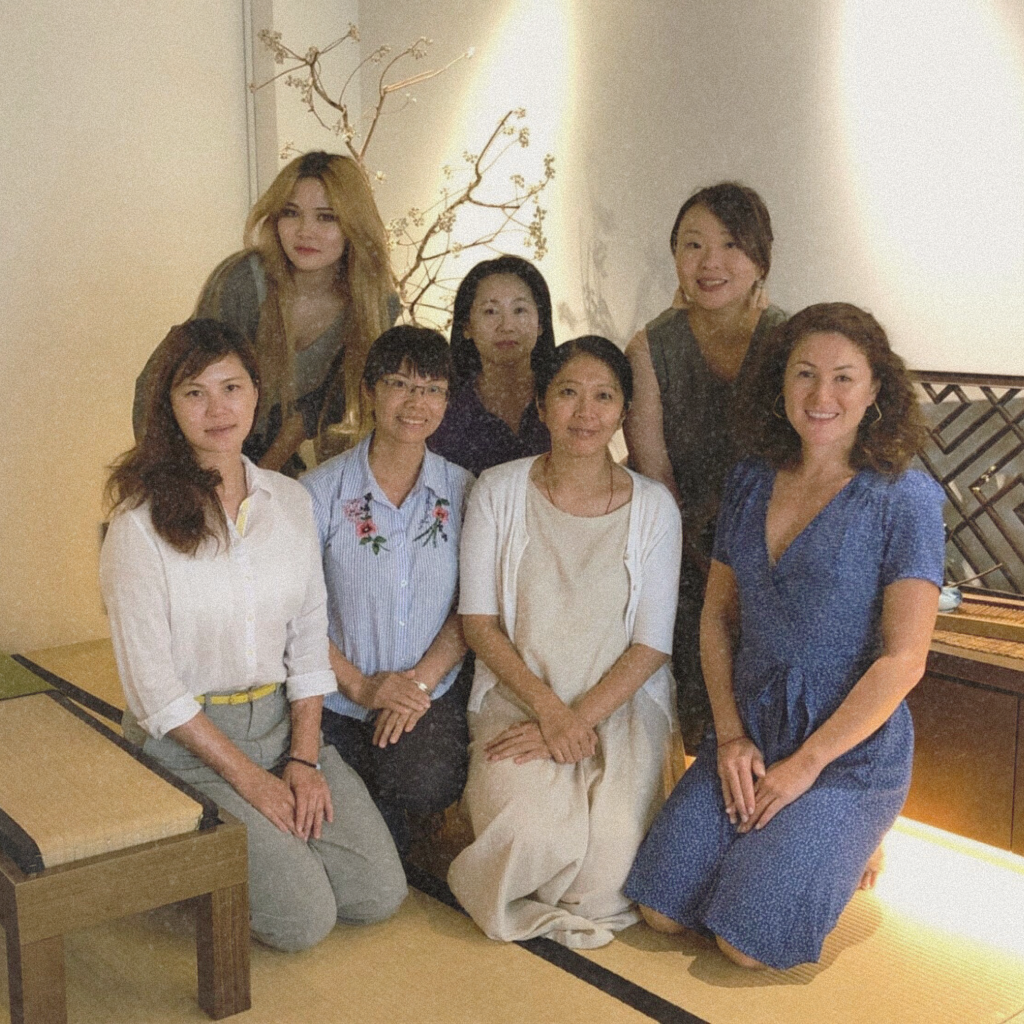
A few of the teachers who shaped our tradition:
Learning Outcomes
Students come to Camellia to learn how to …
1.
Make Tea a Steady Ritual in Your Life
You will learn how to work with tea to create simple and meaningful rituals that support mental clarity, reflection, and your other cultivation practices. Tea becomes an ally, not just a beverage.
2.
Serve and Study with Confidence and Integrity
You will gain confidence as you learn to see tea (what it is and is-not) with clear, unfiltered eyes. Integrity and humility emerge naturally when you are grounded in the joy of being a lifelong student.
3.
Develop Your Own Expression of Tea
You will learn how to honor tradition while shaping a form of tea practice and ceremony that reflects your background, work, and lived experience. You will be creating rather than copying.